How to differentiate between L1A and L1B under L1 visa requirements
Understanding L1 Visa Requirements: A Comprehensive Guide for Global Professionals
Guiding through the intricacies of the L1 visa process is important for international specialists aiming for intra-company transfers to the U.S. This visa uses two vital classifications, each with distinctive requirements. Recognizing eligibility standards and the application procedure can significantly impact the outcome. However, several deal with obstacles along the way. What are the critical actions to assure a smooth trip with this intricate treatment? The responses lie in advance.
Review of the L1 Visa Categories
While steering via the complexities of U.S. immigration, it is crucial to understand the different groups of the L1 visa, which is developed for intra-company transferees. The L1 visa incorporates two main groups: L1A and L1B. The L1A visa accommodates managers and execs, enabling them to transfer to a united state branch, associate, or subsidiary of their company. This classification is particularly advantageous for people in leadership roles, as it permits a longer duration of stay, normally as much as 7 years.
Conversely, the L1B visa is meant for employees with specialized expertise, highlighting their proficiency in the company's solutions, processes, or items. L1 visa requirements. This category enables a stay of up to 5 years. Comprehending these differences is crucial for specialists and companies maneuvering the L1 visa procedure, ensuring they choose the appropriate group based upon their functions and duties within the organization
Eligibility Standards for L1 Visa Applicants

Furthermore, the sponsoring employer has to preserve a qualifying relationship with the foreign entity where the applicant was formerly utilized. This connection can be a parent firm, affiliate, subsidiary, or branch. Applicants need to also intend to operate in the U.S. in a comparable supervisory or specialized duty upon approval of their visa.
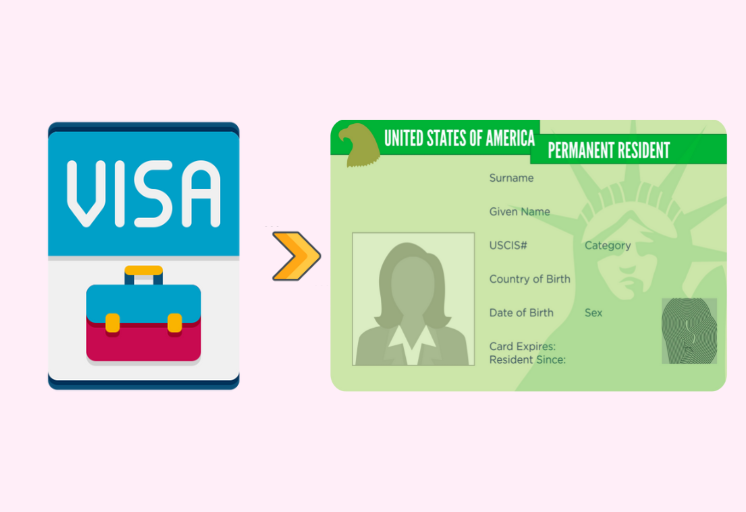
Needed Documentation and Application Process
A thorough collection of documentation is essential for applicants looking for an L1 visa. The process starts with the conclusion of Form I-129, a request for a nonimmigrant employee, which have to be submitted by the U.S. company. Accompanying this kind, applicants need to give proof of the qualifying connection in between the united state and foreign company, such as tax obligation returns or organizational graphes. Proof of the applicant's work background, consisting of task summaries and functions, is also needed to show credentials for the intended setting in the U.S.
In addition, candidates need to submit their key, photos, and any previous U.S. migration documents. Once the application is authorized, applicants have to participate in a visa meeting at a united state consulate or embassy, bringing all sustaining records. This precise documentation assurances compliance with U.S. immigration laws and facilitates a smoother application process for prospective L1 visa owners.
Period of Remain and Extensions
The period of stay for L1 visa owners varies depending on the particular classification of the visa they possess. L1A visa owners, typically supervisors and execs, are provided a preliminary stay of More Bonuses approximately 3 years, with the possibility of extensions approximately a maximum of seven years. On the other hand, L1B visa holders, who possess specialized knowledge, are allowed a preliminary keep of as much as three years, but can expand their stay for an optimum of 5 years.
Expansions need to be gotten before the visa expires, and the procedure needs the company to demonstrate the need of the worker's continued existence in the U.S. It is essential for employees and employers to stick to the guidelines concerning period and extensions to stay clear of any kind of potential legal difficulties. Remaining educated concerning the timelines and requirements is crucial for keeping L1 visa condition and making certain conformity see this with U.S - L1 visa requirements. migration legislations
Typical Difficulties and Tips for Success
Steering through the complexities of the L1 visa process can provide various challenges for both employers and workers. One typical hurdle is the paperwork required, which commonly requires precise interest to detail. Applicants need to guarantee that their work descriptions align with the specialized expertise criteria, which can lead to complication and misinterpretation. In addition, the timeline for authorization can be unpredictable, causing anxiety for those awaiting relocation.
To enhance possibilities of success, it is recommended for applicants to speak with migration attorneys that specialize in L1 visas. This specialist guidance can help navigate legal nuances and prepare a solid application. Companies need to likewise ensure appropriate internal interaction, aligning human resources plans with L1 visa needs. Preserving arranged documents and timely submissions can significantly ease stress and anxiety during the application process, leading the way for a smoother modification for all events involved.
Frequently Asked Inquiries
Can Household Members Accompany an L1 Visa Holder?
Yes, member of the family can go along with an L1 visa owner. Spouses and unmarried children under 21 years of ages are eligible to get L2 visas, permitting them to research and live in the USA.
What Is the Distinction Between L1A and L1B Visas?
The L1A visa is for managers and execs, while the L1B visa is for staff members with specialized expertise. Both enable intracompany transfers, yet the L1A normally offers a broader series of possibilities for improvement.
Exist Particular Task Titles Required for L1 Visa Approval?
Particular job titles are not mandated for L1 visa approval; nevertheless, candidates have to show that their duties line up with managerial or customized knowledge positions. Pertinent experience and firm structure play vital roles in the authorization process.
Can I Change Employers While on an L1 Visa?
Switching over companies while on an L1 visa is generally not permitted. The visa is linked to the specific employer and duty. A brand-new employer would certainly call for a separate L1 petition for authorization.
Exists a Quota for L1 Visa Approvals Every Year?
There is no yearly quota for L1 visa authorizations, allowing qualified individuals to use without the constraints of a numerical restriction. This flexibility supports multinational companies in moving employees as needed throughout the year.